Are you curious about LED lights and their energy use? Many people wonder if these popular lighting options consume a lot of electricity. Understanding their energy efficiency is crucial for making informed choices.
In this article, we’ll explore the energy consumption of LED lights and compare them to traditional lighting. You’ll learn how LED lights can save you money while providing effective illumination.
What Are LED Lights?
Definition of LED Lights
LED lights, or Light Emitting Diodes, are a modern lighting technology that offers numerous advantages over traditional bulbs. Unlike incandescent or compact fluorescent lamps (CFLs), LEDs convert electricity directly into light through a semiconductor. This process is highly efficient, resulting in less energy wasted as heat.
Type of Bulb | Wattage | Lifespan | Energy Efficiency |
Incandescent | 60W | 1,000 hours | Low |
CFL | 13-15W | 10,000 hours | Moderate |
LED | 8-12W | 25,000+ hours | High |
As seen in the table above, LED lights use significantly less wattage while lasting much longer than their incandescent counterparts. This efficiency is a key reason for their growing popularity.
How LED Lights Work
LED technology operates on a simple principle. When an electric current passes through the semiconductor material, it excites the electrons, causing them to emit light. This process is known as electroluminescence. The design of LEDs allows for a variety of colors and brightness levels, making them suitable for many applications.
Advantages of LEDs Over Traditional Lighting
1. Energy Efficiency: LED lights consume up to 80% less energy than incandescent bulbs. This means you get more light output per watt, leading to lower electricity bills.
2. Longevity: One of the standout features of LEDs is their lifespan. Typically lasting over 25,000 hours, they require fewer replacements compared to incandescent and CFL bulbs. This not only saves you money but also reduces waste.
3. Durability: LEDs are solid-state lights, making them more robust and resistant to breakage compared to fragile glass bulbs. This durability makes them ideal for both indoor and outdoor use.
4. Instant Lighting: Unlike some CFLs, which may take time to warm up, LEDs provide immediate brightness when switched on. This instant illumination is particularly beneficial in spaces where immediate light is needed.
In summary, LED lights represent a significant advancement in lighting technology, offering energy efficiency, longevity, and durability that traditional options simply cannot match.

Energy Consumption of LED Lights
Do LED Lights Use a Lot of Electricity?
The short answer is no; LED lights do not use a lot of electricity. In fact, they are among the most energy-efficient lighting options available today. Research shows that LED lights consume significantly less energy compared to traditional bulbs. For instance, an LED light can produce the same amount of light as a 60-watt incandescent bulb while using only 8-12 watts.
Energy Efficiency Ratings
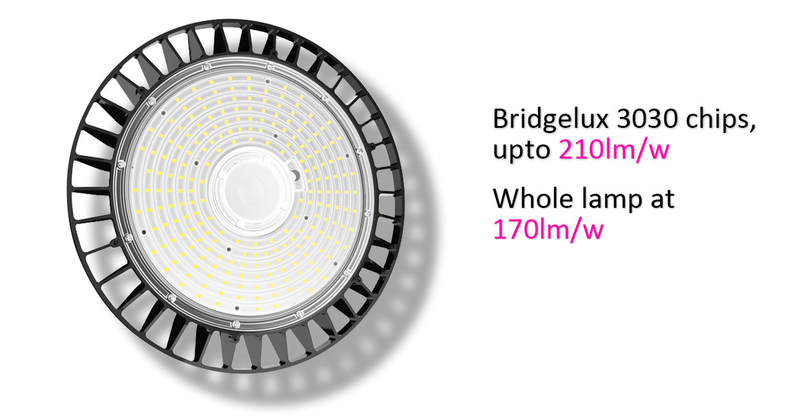
To understand how energy-efficient a light source is, we often look at its lumens per watt (lm/W) rating. This number indicates how much light a bulb produces for each watt of electricity it consumes. LED lights typically achieve ratings of up to 170 lm/W, making them far superior to incandescent and CFL bulbs.
Comparison with Other Lighting Options
Incandescent Bulbs
Incandescent bulbs are the traditional choice for many households. They usually consume about 60 watts to produce around 800 lumens of light. This high wattage leads to higher energy costs, making them less efficient. For example, if you use an incandescent bulb for 3 hours a day, it can cost you approximately $11 annually in electricity.
CFL Bulbs
Compact fluorescent lamps (CFLs) were introduced as a more energy-efficient alternative to incandescent bulbs. They typically use about 13-15 watts to produce the same amount of light (around 800 lumens). While they are more efficient than incandescent bulbs, they still fall short compared to LEDs. Using a CFL bulb for the same 3 hours daily can cost around $3 annually.
Comparison Table
Here’s a side-by-side comparison of wattage and annual costs for LED, CFL, and incandescent bulbs:
Bulb Type | Wattage | Lumens | Annual Cost (3 hrs/day) |
Incandescent | 60W | 800 | ~$11.00 |
CFL | 13-15W | 800 | ~$3.00 |
LED | 8-12W | 800 | ~$1.80 |
As shown in the table, LED lights not only use less wattage but also result in significantly lower annual energy costs. This makes them a smart choice for anyone looking to save money on their electricity bills while enjoying bright, efficient lighting.
Factors Influencing Electricity Use of LED Lights
Wattage and Lumens
When discussing LED lights, it's essential to understand the difference between wattage and lumens. Wattage refers to the amount of electricity a bulb consumes, while lumens measure the brightness emitted by the light. For example, a typical LED bulb uses only 10 watts to produce about 800 lumens, which is equivalent to a 60-watt incandescent bulb. This efficiency means that you can enjoy the same brightness while using significantly less energy.
Choosing the Right Wattage
To select the right wattage for your needs, consider the space and desired brightness. Here’s a simple guide:
Room Type | Recommended Lumens | LED Wattage |
Bedroom | 1,000 - 2,000 | 10 - 15 W |
Living Room | 1,500 - 3,000 | 15 - 25 W |
Kitchen | 3,000 - 4,000 | 25 - 30 W |
This table helps you determine how much light you need based on the room size and activity. By choosing the correct wattage, you can optimize energy use without sacrificing brightness.
Smart LED Technology
Smart LED lights are becoming increasingly popular due to their convenience and energy efficiency. These bulbs can connect to Wi-Fi, allowing you to control them remotely via smartphones or smart home systems. While they consume more power than standard LEDs, their energy use is still lower than traditional bulbs.
Standby Power Consumption
One aspect to consider is standby power consumption. Smart LEDs often use a small amount of electricity even when not in use, which can add up over time. On average, standby power can account for about 1-2 watts. While this may seem minimal, it’s essential to factor this into your overall energy costs.
Color Temperature and Its Effects
Color temperature is another factor influencing energy use. It’s measured in Kelvins (K) and describes the appearance of the light emitted by the bulb. For instance, warm white (around 2700K) creates a cozy atmosphere, while cool white (around 5000K) resembles daylight and is often used in workspaces.
Influence on Energy Usage
Interestingly, the color temperature can affect perceived brightness. Cooler temperatures may feel brighter, potentially leading you to choose lower wattage bulbs. However, it’s essential to remember that higher color temperatures can sometimes require more energy to produce the same amount of light as warmer tones.
Dimming Capabilities
Dimmable LED lights offer versatility in lighting control, allowing you to adjust brightness according to your needs. This feature not only enhances comfort but also contributes to energy savings.
Potential Energy Savings from Dimming
By dimming the lights, you can reduce energy consumption significantly. For example, lowering the brightness by 50% can cut energy use by about 20-30%. This means you can enjoy a cozy environment while saving on your electricity bill.
Incorporating these factors into your lighting choices can lead to smarter energy use and cost savings. Understanding wattage, smart technology, color temperature, and dimming capabilities helps you make informed decisions about LED lights and their electricity consumption.
Long-Term Benefits of Using LED Lights
Longevity and Lifespan
One of the most significant advantages of LED lights is their impressive longevity. On average, LED lights last over 100,000 hours, far surpassing traditional incandescent bulbs, which typically last about 1,000 hours. This remarkable lifespan means fewer replacements, resulting in substantial cost savings over time.
Light Type | Average Lifespan | Replacement Frequency |
Incandescent | 1,000 hours | Every 1 year |
CFL | 10,000 hours | Every 2-3 years |
LED | 100,000 hours | Every 10-20 years |
OAK LED is particularly noted for its reliability and longevity, making it a preferred choice for consumers seeking durable lighting solutions. The reduced frequency of replacements not only saves money but also minimizes waste, contributing to a more sustainable environment.
Reduced Energy Costs
Switching to LED lights can lead to significant energy savings. For instance, consider a household that uses ten 10-watt LED bulbs instead of 60-watt incandescent bulbs. The annual energy cost for LEDs can be calculated as follows:
● LED Bulb Usage: 10 bulbs × 10 watts × 3 hours/day × 365 days/year = 109.5 kWh
● Incandescent Bulb Usage: 10 bulbs × 60 watts × 3 hours/day × 365 days/year = 657 kWh
Assuming an electricity rate of $0.12 per kWh, the annual costs would be:
● LEDs: 109.5 kWh × $0.12 = $13.14
● Incandescents: 657 kWh × $0.12 = $78.84
This results in a potential savings of $65.70 per year! Over ten years, that’s nearly $657 saved just from switching to LEDs. Additionally, the environmental benefits are significant; lower energy consumption reduces greenhouse gas emissions and lessens the demand for energy production.
Safety and Heat Emission
Another crucial aspect of LED lights is their safety profile. Unlike incandescent bulbs, which can get extremely hot and pose a fire hazard, LED lights emit very little heat. This cooler operation not only enhances safety but also contributes to energy efficiency.
Heat Output Comparison
Light Type | Heat Output | Safety Risk |
Incandescent | High | Fire hazard |
CFL | Moderate | Moderate risk |
LED | Low | Minimal risk |
With cooler operating temperatures, LED lights reduce the risk of burns, making them safer for homes with children and pets. This added safety benefit, combined with their energy efficiency and longevity, makes LED lights a smart choice for any household.
By understanding these long-term benefits, it becomes clear why LED lights are not just a trend but a practical solution for modern lighting needs.
Product Quality & Warranty
Importance of Quality Components
When it comes to LED lights, the quality of components plays a crucial role in performance and longevity. High-quality LED chips and drivers ensure that the lights operate efficiently, produce consistent brightness, and have a longer lifespan. Poor-quality components can lead to flickering, reduced light output, and premature failure, which can be frustrating and costly.
OAK LED is committed to excellence by sourcing components from well-known brands recognized for their reliability. This commitment to quality is reflected in their warranty, which typically ranges from 3 to 5 years. This warranty not only gives consumers peace of mind but also indicates the manufacturer’s confidence in the durability and performance of their products.
Certifications and Testing
Independent performance validation is essential for ensuring that LED lights meet industry standards. Certifications from recognized organizations provide assurance regarding energy efficiency, safety, and overall quality. When shopping for LED lights, look for certifications such as Energy Star and UL.
Certification | What It Indicates |
Energy Star | Energy efficiency and reduced environmental impact |
UL | Safety standards for electrical products |
FCC | Compliance with electromagnetic interference regulations |
These certifications help consumers make informed decisions, ensuring they choose products that are not only effective but also safe for use. By investing in certified LED lights, you can be confident in their quality and performance, contributing to both energy savings and peace of mind in your lighting choices.

Common Misconceptions About LED Lights
Do LED Lights Really Save Money?
One common misconception is that LED lights are too expensive and do not save money in the long run. While the initial purchase price of LED lights can be higher than traditional bulbs, the reality is quite different when you consider their lifespan and energy efficiency.
LED lights typically last 25,000 to 100,000 hours, compared to just 1,000 hours for incandescent bulbs. This longevity means fewer replacements, which translates to lower costs over time. Additionally, LEDs consume up to 80% less energy, leading to significant savings on electricity bills.
To illustrate this, consider the following comparison:
Bulb Type | Average Lifespan | Annual Energy Cost | Total Cost Over 10 Years |
Incandescent | 1,000 hours | $78.84 | $788.40 |
CFL | 10,000 hours | $13.14 | $131.40 |
LED | 50,000 hours | $13.14 | $131.40 |
As shown in the table, even though LED lights may have a higher upfront cost, their energy savings and longevity make them a more economical choice in the long run.
Are All LED Lights Created Equal?
Another misconception is that all LED lights are the same. In reality, the quality and brand of LED lights can greatly impact their energy efficiency and performance. Not all LEDs are manufactured to the same standards, and cheaper options may not deliver the promised energy savings or lifespan.
When choosing LED lights, it's essential to consider the brand and look for certifications. For instance, Energy Star certification indicates that a product meets strict energy efficiency guidelines set by the EPA. Other certifications, such as UL for safety, also provide assurance of quality.
Certification | What It Indicates |
Energy Star | High energy efficiency and performance |
UL | Safety standards for electrical products |
FCC | Compliance with electromagnetic interference regulations |
By prioritizing high-quality LED lights from reputable brands, you can ensure you are making a wise investment in energy efficiency and cost savings. Remember, not all LED lights are created equal, so it's worth doing your research before making a purchase.
Conclusion
In summary, LED lights are highly energy-efficient. They consume significantly less electricity than traditional bulbs. With a lifespan of up to 100,000 hours, they save money on replacements.
Quality matters, as not all LEDs are equal; choose certified brands for the best performance. Switching to LED lights offers both financial savings and environmental benefits. Consider making the switch to enjoy these advantages.
FAQ
Q: How much electricity do LED lights actually use?
A: LED lights use significantly less electricity than traditional bulbs, typically consuming 80% less energy.
Q: Can LED lights really reduce my electricity bill?
A: Yes, LED lights can lower your electricity bill due to their energy efficiency and longer lifespan.
Q: What is the best wattage for LED lights in my home?
A: The best wattage depends on your needs; generally, 10-15 watts is suitable for living spaces.
Q: Are smart LED lights worth the investment?
A: Smart LED lights can save energy and offer convenience, making them a worthwhile investment.
Q: How do I properly dispose of old LED lights?
A: Check local regulations; many areas allow LED bulbs to be disposed of in regular trash.