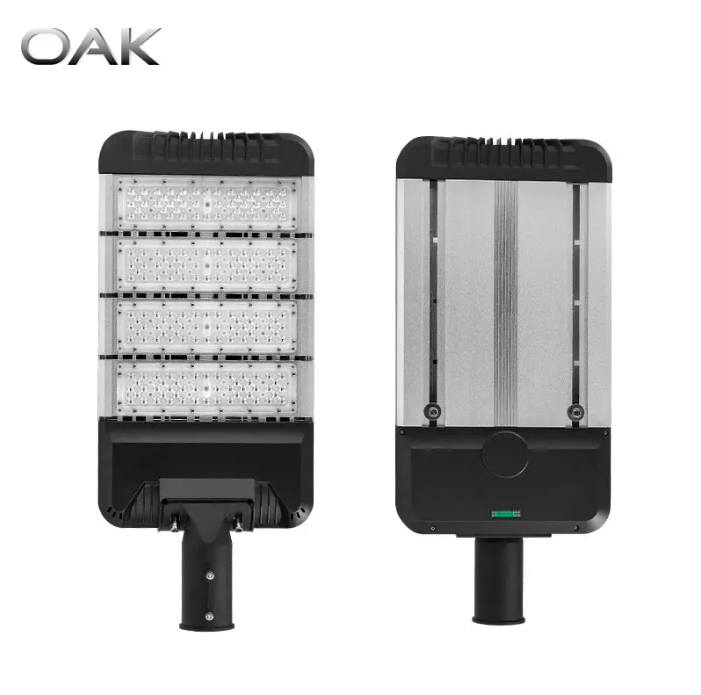
LED lights are everywhere, illuminating our homes and streets. But what happens when they fail? Understanding how to fix LED lights is essential for maintaining their efficiency.
In this article, we’ll discuss common issues that arise with LED lights. You’ll learn troubleshooting steps and maintenance tips to keep your lights shining bright.
Understanding LED Lights
What Are LED Lights?
LED lights, or Light Emitting Diodes, are a revolutionary lighting technology. They work by passing electricity through a semiconductor, which emits light. This process is highly efficient compared to traditional incandescent bulbs.
Advantages of LED Lights
LED lights offer several benefits over older lighting technologies:
● Energy Efficiency: They consume significantly less power, leading to lower electricity bills. For instance, an LED bulb can use up to 80% less energy than incandescent bulbs.
● Longevity: LEDs last much longer, often exceeding 25,000 hours, while traditional bulbs may last only 1,000 hours.
● Durability: Made from solid materials, they are more robust and resistant to breakage.
● Environmentally Friendly: LEDs contain no harmful substances like mercury and are fully recyclable.
Advantage | LED Lights | Incandescent Bulbs |
Energy Consumption | Up to 80% less | Higher |
Lifespan | 25,000+ hours | 1,000 hours |
Environmental Impact | Eco-friendly | Contains mercury |
Common Applications of LED Lights
LEDs are versatile and find use in various settings. Here are some common applications:
● Residential Lighting: Used in homes for general lighting, accent lighting, and outdoor lighting.
● Commercial Spaces: Found in offices, retail stores, and warehouses to enhance visibility and reduce energy costs.
● Street Lighting: Many cities are switching to LED streetlights for better illumination and lower maintenance costs.
● Automotive Lighting: Increasingly used in headlights and interior lights due to their efficiency and brightness.
Why Do LED Lights Fail?
Understanding why LED lights fail is crucial for effective troubleshooting and maintenance. By identifying the common causes of failure, you can take proactive steps to extend the life of your LED lights and ensure they operate efficiently.
Power Supply Issues
LED lights require a stable power supply to function correctly. They typically operate within a voltage range of 100 to 305 volts AC. Fluctuations in voltage can lead to premature failure. If the voltage is too high, it may overheat the components, causing them to burn out. Conversely, low voltage can result in flickering or dim lighting. Regularly checking the power supply and ensuring it meets manufacturer specifications can help prevent these issues.
Component Failures
The internal components of LED lights, especially drivers and chips, are critical to their performance. The driver regulates power to the LED chips, ensuring they receive the correct voltage. A faulty driver can disrupt this balance, leading to flickering or total failure. Additionally, LED chips may fail due to manufacturing defects or prolonged exposure to extreme temperatures. Using high-quality components from reputable brands can help mitigate these risks and ensure reliable performance.
Environmental Factors
Environmental conditions play a significant role in the lifespan of LED lights. Excessive heat can shorten their life, while moisture can cause damage to the internal components. For instance, outdoor LEDs should have proper sealing to withstand rain and humidity.
Failure Cause | Description |
Power Supply Issues | Voltage fluctuations can damage LEDs |
Component Failures | Faulty drivers affect performance |
Environmental Factors | Heat and moisture can lead to failures |
By addressing these common issues, you can extend the life of your LED lights and maintain their efficiency. Understanding how LED technology works and its applications is key to troubleshooting effectively.

Common Issues with LED Lights
Issue 1: LED Lights Won't Turn On
One of the most frustrating problems is when LED lights simply refuse to turn on. Several factors may contribute to this issue. Loose connections are often the culprit; if the wires aren’t securely connected, the circuit won’t complete. Additionally, tripped circuit breakers can interrupt the power supply, leaving your lights dark. Faulty drivers or LED chips may also prevent functionality.
To troubleshoot, start by checking the power source and ensuring all connections are tight. Inspect the driver and chips for any visible damage. If the driver is faulty, don’t hesitate to reach out to OAK LED for warranty assistance on replacements.
Issue 2: Flickering LED Lights
Flickering can be annoying and distracting. This issue often stems from misconfigured dimming settings. If you’re using a dimmer switch, it might not be compatible with your LED lights. Loose wiring can also cause flickering, as can voltage fluctuations in your electrical system.
To resolve flickering, verify the dimming settings, especially if you’re using protocols like DALI, DMX, or PWM. Make sure everything is compatible. Next, secure any loose wiring connections and check the input voltage to ensure it’s stable.
Issue 3: LED Lights Not Dimming Properly
When LED lights fail to dim as expected, it can be due to incompatible dimming protocols or faulty dimming modules. For instance, smart models, like OAK LED's VF Series, may require specific settings for optimal performance.
To troubleshoot, confirm that the dimming module is compatible with your LED lights. If it is, try resetting the dimming module to restore functionality. Also, inspect the driver to ensure it’s working correctly.
Issue 4: Reduced Brightness Over Time
If you notice your LED lights getting dimmer, several factors could be at play. Dust accumulation on the lens can obstruct light output, while blocked heat dissipation can cause overheating, leading to reduced brightness. Aging LED chips may also be a factor, as their performance can decline over time.
To address this issue, clean the lens regularly to remove dust. Ensure that heat channels are clear to allow for proper airflow. If brightness issues persist, consider contacting OAK LED regarding warranty options for aging components.
Issue 5: Water Damage in Outdoor LED Lights
Outdoor LED lights face unique challenges, particularly when it comes to water damage. Damaged seals can allow moisture to enter the fixture, while improper installation can expose lights to the elements.
To troubleshoot, inspect the waterproof seals, ensuring they meet IP66 or IP67 ratings for protection against water ingress. If water has entered the fixture, dry it thoroughly and take steps to prevent future damage, such as ensuring proper installation and using weather-resistant models.
Issue | Possible Causes | Troubleshooting Steps |
LED Lights Won't Turn On | Loose connections, tripped breakers, faulty drivers | Check power source, inspect connections, contact OAK LED |
Flickering LED Lights | Misconfigured dimming, loose wiring, voltage issues | Verify dimming settings, secure wiring, check voltage |
Not Dimming Properly | Incompatible protocols, faulty modules | Confirm compatibility, reset module, inspect driver |
Reduced Brightness | Dust, blocked heat, aging chips | Clean lens, clear heat channels, contact OAK LED |
Water Damage | Damaged seals, improper installation | Inspect seals, dry fixture, ensure proper installation |
Fixing Different Types of LED Lights
Fixing LED Strip Lights
LED strip lights are popular for their versatility and aesthetic appeal, but they can encounter several issues. Here are some common problems and solutions:
● Power Issues: If your strip lights aren’t lighting up, check the power supply. Ensure it’s functioning correctly and providing the right voltage.
● Dead Sections: Sometimes, you may notice sections of the strip that don’t light up. This can be due to damaged connections or faulty LEDs.
● Flickering: Flickering lights can be annoying. Inspect all connections to ensure they are secure and properly connected.
● Adhesive Failure: If the strip isn’t sticking properly, it may fall off. In this case, use additional adhesive or mounting clips to secure it.
For repairs, always use high-quality connectors to ensure a reliable connection that lasts. Below is a summary of common issues with LED strip lights:
Issue | Possible Causes | Solutions |
Power Issues | Faulty power supply | Check and replace the power supply |
Dead Sections | Damaged connections | Repair or replace faulty sections |
Flickering | Loose connections | Secure connections |
Adhesive Failure | Poor adhesive quality | Use stronger adhesive or mounting clips |
Fixing LED Light Bulbs
LED light bulbs can also face issues that may hinder their performance. Here are some common problems and how to address them:
● Burnt-out LEDs: If your bulb isn't lighting up, it might be due to burnt-out LEDs. You can bypass the dead LEDs by rewiring the bulb.
● Cautions When Opening Bulbs: Be careful when opening the bulb to avoid injury. Always wear safety gear, such as gloves and goggles, to protect yourself.
● Quality Brands: If you’re experiencing consistent issues, consider replacing your bulb with a more reliable brand like Philips or Cree, known for their quality.
Here’s a quick overview of common issues with LED light bulbs:
Issue | Possible Causes | Solutions |
Burnt-out LEDs | Age or manufacturing defects | Bypass dead LEDs or replace the bulb |
Opening Bulb Cautions | Risk of injury | Wear safety gear, handle with care |
Fixing Smart/Remote LED Lights
Smart LED lights offer convenience and modern features, but they can present unique challenges. Here are some common issues and solutions:
● Controller Reset Issues: If your lights aren’t responding, try resetting the controllers. Follow the manufacturer’s instructions for the reset process.
● Sync Issues with Apps: Problems can arise with syncing your lights to apps like Philips Hue. Ensure your app is updated and check your Wi-Fi connection.
● Remote Repair Tips: If you’re using a remote, check the batteries. Weak batteries can prevent the remote from functioning properly. Also, make sure you’re within range for effective communication.
Here’s a summary of common issues with smart LED lights:
Issue | Possible Causes | Solutions |
Controller Reset Issues | Software glitches | Reset the controller as per instructions |
Sync Issues | App or Wi-Fi problems | Update the app, check Wi-Fi connection |
Remote Repair Tips | Weak batteries or range issues | Replace batteries, ensure proximity |
Essential Tools for LED Light Repair
When it comes to fixing LED lights, having the right tools can make all the difference. Here’s a list of essential tools you’ll need to tackle common issues effectively.
List of Tools Needed for Fixing LED Lights
1. Multimeter: This handy device is crucial for testing voltage and ensuring your LED lights are receiving the correct power. It helps you diagnose electrical issues quickly.
2. Soldering Iron: A soldering iron is essential for making reliable electrical connections. Whether you’re repairing a broken wire or replacing an LED chip, a good soldering iron ensures strong, lasting connections.
3. Solderless Connectors: For quick repairs, solderless connectors are invaluable. They allow you to connect wires without soldering, making the process faster and easier, especially for beginners.
4. Wire Strippers: These tools help you prepare wires for connections by stripping away insulation without damaging the wire itself. They ensure clean, effective connections.
5. Heat Shrink Tubing: This is used to insulate and protect soldered connections. It shrinks when heated, providing a tight seal around the connection, which helps prevent short circuits.
Here’s a visual summary of these tools and their uses:
Tool | Purpose |
Multimeter | Testing voltage and diagnosing electrical issues |
Soldering Iron | Making reliable electrical connections |
Solderless Connectors | Quick and easy wire connections |
Wire Strippers | Preparing wires for connections |
Heat Shrink Tubing | Insulating and protecting soldered connections |
Importance of Using Quality Tools
Using quality tools cannot be overstated. High-quality tools not only make repairs easier but also ensure that the fixes are durable and safe. For instance, a reliable multimeter provides accurate readings, which is essential for diagnosing issues correctly. Similarly, a good soldering iron heats evenly, reducing the risk of damaging components during repairs.
Investing in quality tools means fewer frustrations and more successful repairs, allowing you to keep your LED lights functioning optimally. Remember, a well-equipped toolkit is the foundation of effective LED light maintenance and repair.

Maintenance Tips for LED Lights
To ensure your LED lights operate efficiently and last longer, regular maintenance is essential. Here are some key tips to keep your lights in top shape.
Regular Cleaning and Inspection
Keeping your LED lights clean is crucial for optimal performance. Dust and grime can accumulate on fixtures, reducing brightness and efficiency. Regular cleaning helps maintain light output and prevents overheating. Here's how to safely clean your LED fixtures:
● Turn Off the Power: Always switch off the power before cleaning to avoid electrical hazards.
● Use a Soft Cloth: A microfiber cloth is ideal for gently wiping down the surface. Avoid abrasive materials that could scratch the lens.
● Mild Cleaning Solution: If needed, use a mild soap solution or a specialized cleaner. Make sure to avoid harsh chemicals that could damage the finish.
● Inspect for Damage: While cleaning, check for any signs of wear or damage, such as frayed wires or loose connections. Catching these issues early can prevent bigger problems down the line.
Ensuring Proper Installation
Proper installation is vital to prevent issues down the road. Here are some best practices to follow:
● Follow Manufacturer Guidelines: Always adhere to the installation instructions provided by the manufacturer, like OAK LED’s guidelines. This ensures that the lights are installed correctly and safely.
● Use Appropriate Fixtures: Make sure the fixtures are compatible with your LED lights. Using the right fixtures helps avoid overheating and ensures proper heat dissipation.
● Check Electrical Compatibility: Verify that the voltage and wattage ratings match your LED lights. Incorrect configurations can lead to premature failure.
Installation Tip | Details |
Follow Manufacturer Guidelines | Adhere to specific instructions for best results |
Use Appropriate Fixtures | Ensure compatibility to prevent overheating |
Check Electrical Compatibility | Match voltage and wattage ratings |
When to Seek Professional Help
Sometimes, despite your best efforts, issues may arise that require professional assistance. Here are signs indicating it might be time to call an expert:
● Persistent Flickering or Dimming: If your lights continue to flicker or dim despite troubleshooting, it could point to deeper electrical issues.
● Unusual Noises: Buzzing or humming sounds from fixtures can indicate wiring problems or faulty components.
● Physical Damage: If you notice any visible damage, such as cracked bulbs or burnt-out sections, it’s best to get a professional opinion.
The benefits of professional repair services are significant. Experts can diagnose issues accurately and provide safe, reliable repairs. For unresolved problems, OAK LED offers 24-hour technical support, ensuring you have access to help whenever you need it.
Signs to Call a Professional | Benefits of Professional Help |
Persistent flickering | Accurate diagnosis of issues |
Unusual noises | Safe and reliable repairs |
Visible damage | Access to expert knowledge and support |
Conclusion
In this article, we covered essential tips for fixing LED lights. Key points included maintenance practices, proper installation, and knowing when to seek help. Regular cleaning and inspections can enhance performance. Following manufacturer guidelines is crucial for effective installation.
We encourage you to take proactive measures in maintaining your LED lights. Share your experiences or ask any questions in the comments below. Your insights can help others in the community!


