Introduction
Have you ever wondered why we call them "flood lights"? These powerful lights are designed to illuminate large areas with broad, intense beams of light. In this article, we’ll explore the origins of the term "flood light" and dive into their design, function, and practical applications.
You’ll gain insight into how flood lights evolved from traditional lamps to the modern, energy-efficient LEDs used today.
What Makes a Flood Light Different?
The Key Characteristics of Flood Lights
Flood lights are known for their high-intensity illumination and wide coverage. Unlike spotlights, which focus light on a small area, flood lights are designed to illuminate large spaces evenly. These lights are typically mounted high and angled downward, ensuring that the entire target area is well-lit. Flood lights are ideal for outdoor areas, sports fields, parking lots, and security purposes where broad, uniform light distribution is needed. Their ability to light large areas quickly and effectively makes them a preferred choice for these spaces.
The wide coverage of flood lights not only improves safety but also helps create a more welcoming atmosphere for various events. Their versatility allows them to be used for multiple purposes, including industrial, commercial, residential, and aesthetic applications.
The History Behind the Term "Flood Light"
The term "flood light" comes from the way these lights distribute light over an expansive area, akin to flooding an area with light. Early flood lights were developed to illuminate large outdoor spaces, especially for stadiums and commercial buildings. As their usage expanded, the term "flood" was adopted to describe the overwhelming effect of light covering a broad area.
The name likely draws inspiration from the way flood waters cover a large, expansive area, providing widespread coverage and eliminating shadows. Just as water floods an area during a rainstorm, flood lights fill a large space with bright, evenly distributed light. The purpose of these lights is to ensure that the entire area remains visible, removing the shadows and darkness that would otherwise conceal certain sections.
Comparing Flood Lights with Other Light Types
Flood lights differ from spotlights in their design and purpose. While spotlights concentrate light on a small area, flood lights are meant to cover larger surfaces. Spotlights are often used for specific focus, such as on stages, while flood lights are used to illuminate expansive areas such as parking lots, sports fields, and large outdoor spaces.
Similarly, flood lights differ from security lights, which may feature motion sensors or be used to target specific vulnerable areas. Flood lights, by contrast, offer an even distribution of light, making them ideal for large-scale illumination needs. The ability to flood a space with light makes them essential for both functional and aesthetic purposes, ensuring that no part of the area remains in darkness.

How Flood Lights Work
The Mechanics Behind Flood Lights
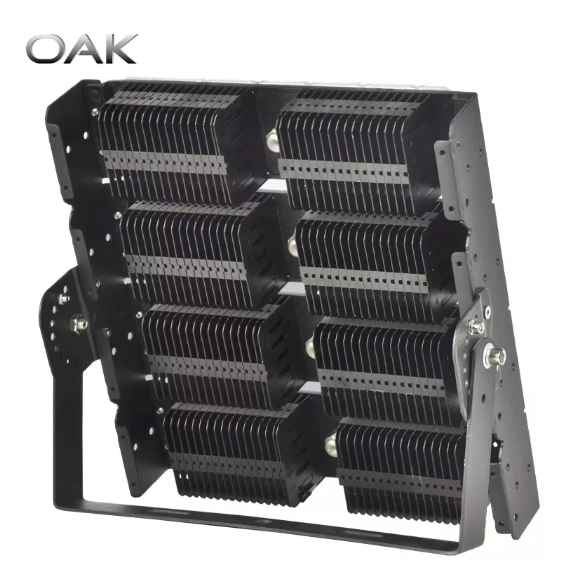
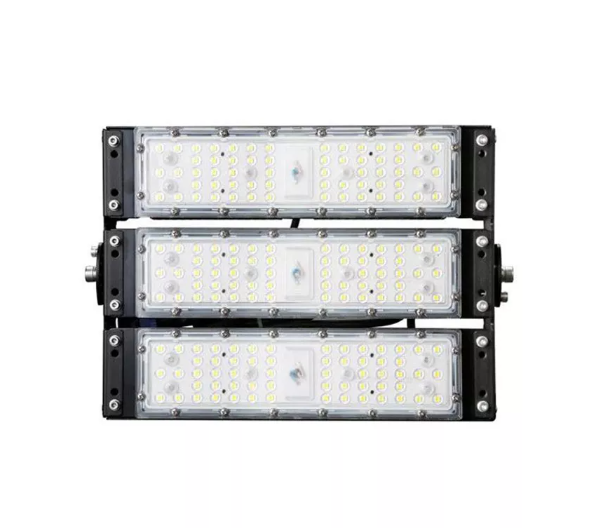
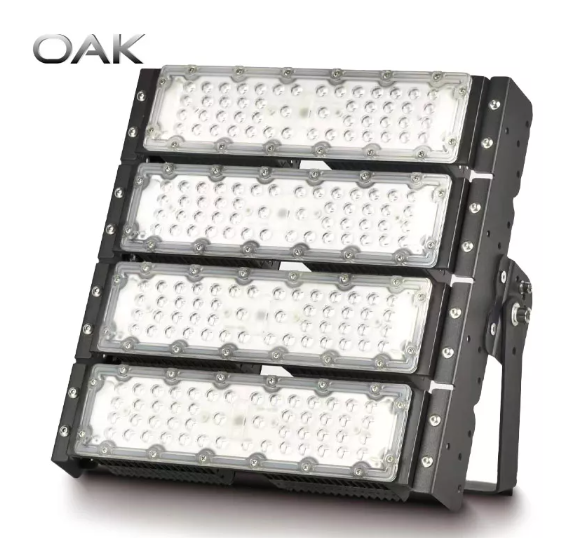
Flood lights function by emitting light over a wide area, typically from a fixed position. The light is often produced by halogen, incandescent, or more recently, LED bulbs. LED flood lights have become the preferred choice due to their high efficiency, longer lifespan, and lower energy consumption. The wide beam angle and the adjustable mounting height allow flood lights to illuminate areas effectively without causing too much glare or light pollution.
LED flood lights, in particular, are well-suited to this task due to their superior energy efficiency, longer lifespan, and versatility. Unlike traditional incandescent or halogen bulbs, LED flood lights use significantly less energy while producing the same level of brightness. Their long lifespan reduces the frequency of bulb replacements, making them a cost-effective choice in the long term.
Light Distribution and Coverage
The key feature of flood lights is their ability to "flood" an area with light. This is achieved through the design of the lamp and the reflector, which helps distribute the light evenly across the surface. The angle at which the light is mounted plays a significant role in the coverage area. A proper mounting height ensures maximum coverage while minimizing shadows, ensuring that no area remains under-illuminated.
By carefully adjusting the angle and height, flood lights can provide uniform coverage to a variety of spaces, ensuring that large areas such as parking lots, sports fields, and building facades are evenly lit. The science behind their wide distribution lies in the strategic placement of reflectors and the precise configuration of the light bulb within the fixture. This ensures that the light is directed outward to cover the maximum possible area.
LED Flood Lights: A Modern Revolution
Why LED Technology Is Ideal for Flood Lights
LED flood lights have revolutionized the industry due to their numerous benefits. They are highly energy-efficient, consuming significantly less power compared to traditional incandescent or halogen bulbs. Additionally, LEDs have a longer lifespan, lasting up to 25 times longer than conventional lighting, which translates to reduced maintenance and replacement costs over time. These advantages have made LED flood lights the go-to option for both residential and commercial applications.
The efficiency of LED technology allows for a brighter, more consistent light with less energy consumption. This is especially beneficial in large outdoor spaces that require constant lighting. Over time, the savings on energy bills and maintenance costs make LED flood lights a more economical choice for businesses and homeowners alike.
The Growing Popularity of LED Flood Lights
The shift towards LED technology in flood lights has been driven by the need for more sustainable and cost-effective lighting solutions. In recent years, the cost of LED flood lights has decreased, making them more accessible for businesses, municipalities, and homeowners. For example, many sports arenas and outdoor venues have adopted LED flood lighting, benefiting from its efficiency and durability. Additionally, cities are replacing traditional streetlights with LED versions, improving both the aesthetic and functional aspects of public lighting.
The advantages of LED flood lights are particularly noticeable in large outdoor settings, where the efficiency of LED technology can reduce energy consumption while maintaining high-quality illumination. Whether for street lighting, sports stadiums, or residential use, the benefits of LED flood lights are becoming more evident in their widespread adoption.

Practical Applications of Flood Lights
Flood Lights in Security and Safety
One of the most important uses of flood lights is in enhancing security. By illuminating vulnerable areas around homes, businesses, and public spaces, flood lights deter potential intruders. Motion-sensor flood lights are especially useful in security systems, as they only activate when movement is detected, providing an added layer of protection without wasting energy. Installing flood lights near entry points, pathways, and dark corners ensures visibility and safety during nighttime.
Flood lights help illuminate areas that are typically hidden in darkness, making it harder for unauthorized individuals to sneak around without being noticed. Their powerful light and wide coverage area make them an essential component of modern security systems, particularly for homes and businesses that need continuous illumination to deter criminal activity.
Flood Lights in Landscaping and Aesthetics
Flood lights are also used to highlight architectural features, landscaping, and outdoor spaces. Their ability to evenly illuminate large areas makes them perfect for creating a dramatic effect on gardens, sculptures, and building facades. The color temperature of the light can also influence the atmosphere—warm lights create a cozy, inviting ambiance, while cooler lights are ideal for modern, vibrant outdoor spaces.
Flood lights can be used to add a layer of elegance to outdoor spaces, making them more inviting for evening events or gatherings. The light can accentuate the textures and shapes of plants, structures, and other features in the landscape, creating a visually appealing atmosphere.
Flood Lights for Commercial and Industrial Use
In commercial and industrial settings, flood lights are crucial for illuminating large spaces such as warehouses, parking lots, and construction sites. These areas require efficient, high-intensity lighting to ensure worker safety and improve visibility at night. Additionally, flood lights are used to illuminate billboards, signs, and outdoor advertisements, helping businesses attract attention and provide safety in high-traffic areas.
Flood lights are especially beneficial in environments where safety is a primary concern, such as construction sites or loading docks. By providing bright, even lighting, these lights help reduce accidents and improve productivity, ensuring that work can continue even in low-light conditions.
| Application Type | Common Use Cases |
| Residential Security | Yard, driveway, entrance lighting |
| Commercial Security | Parking lots, entrances, perimeter lighting |
| Sports and Events | Stadiums, arenas, outdoor event lighting |
| Industrial/Workspaces | Warehouses, factories, construction sites |
| Landscaping & Aesthetics | Gardens, facades, architectural highlights |
Are Flood Lights the Right Solution for Your Needs?
Choosing the Right Flood Light for Different Needs
When selecting flood lights, it’s essential to consider the location, purpose, and desired effect. For security purposes, flood lights with motion sensors and a narrow beam angle may be suitable. For large outdoor spaces or parking lots, flood lights with a wide beam angle and high lumen output will be necessary. LED flood lights, with their energy efficiency and long lifespan, are generally the best option for most applications.
The right flood light for your needs will depend on various factors, including the size of the area, the level of brightness required, and whether you need additional features such as motion sensing or dimming options.
| Factor | Residential | Commercial | Security | Landscaping |
| Beam Angle | Narrow | Wide | Adjustable | Adjustable |
| Energy Efficiency | High | High | High | Medium |
| Light Intensity (Lumens) | Medium | High | High | Low |
| Motion Sensor Capability | Optional | Optional | Essential | Optional |
| Durability/Weatherproof | High | High | Very High | Medium |
The Future of Flood Lighting Technology
The future of flood lights lies in continued innovation and energy efficiency. Smart flood lights are expected to play a larger role in home automation systems, integrating with mobile apps and voice-controlled devices. Additionally, new advancements in LED technology, such as tunable color temperatures and enhanced dimming capabilities, will offer more customization and control over outdoor lighting environments.
As flood lighting technology continues to advance, we can expect to see even more energy-efficient solutions, with increased functionality and smarter integration with modern home and business systems.
Conclusion
Flood lights are named for their unique ability to flood an area with light, providing broad, even illumination across large spaces. Over time, the technology has evolved, with LED flood lights offering greater energy efficiency, durability, and cost savings. From enhancing security to highlighting landscapes, flood lights serve numerous purposes, making them an indispensable tool in both residential and commercial lighting solutions. As technology continues to advance, the future of flood lighting is bright, with even more innovative features on the horizon.
OAK LED CO. Limited offers innovative LED flood lights designed to provide excellent energy efficiency and long-lasting durability. Their products deliver superior performance, making them a reliable choice for both residential and commercial lighting needs.
FAQ
Q: Why are flood lights called flood lights?
A: Flood lights are named for their ability to "flood" an area with light, providing broad and even illumination across large spaces.
Q: How do flood lights work?
A: Flood lights work by emitting light over a wide area, often using LED technology for efficiency and long lifespan. Their design ensures maximum coverage with minimal glare.
Q: What are the benefits of LED flood lights?
A: LED flood lights are energy-efficient, have a longer lifespan, and provide bright, consistent light, making them ideal for both residential and commercial applications.
Q: Where are flood lights commonly used?
A: Flood lights are used in various settings, including outdoor security, sports fields, parking lots, and landscape lighting to ensure wide-area illumination.
Q: How do I choose the right flood light for my needs?
A: Consider the size of the area, required brightness, and whether features like motion sensing or dimming are necessary when selecting flood lights.