Introduction
Have you ever wondered how flood lights can transform your outdoor space? These powerful lights not only enhance security but also improve the aesthetic appeal of your property.
In this guide, we will explore the importance of flood lights for both safety and beauty. You’ll learn how to choose the right flood light, install it effectively, and troubleshoot common issues. With the right knowledge, you can maximize their performance, energy efficiency, and longevity.
Understanding Flood Lights and Their Uses
What Are Flood Lights?
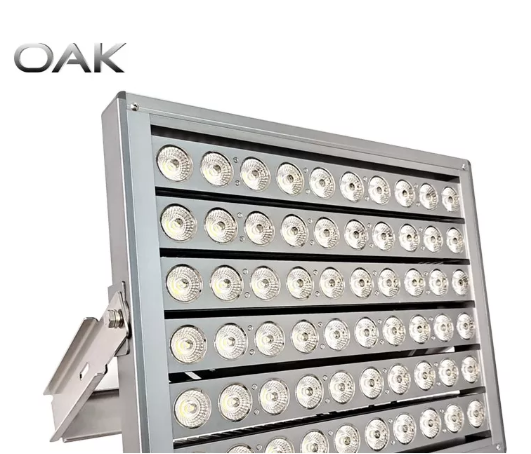
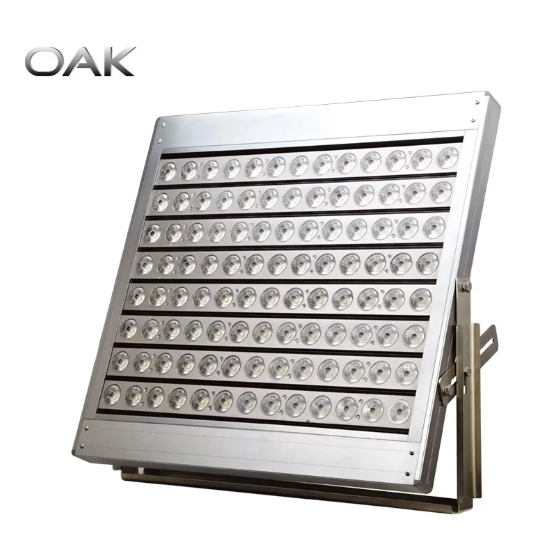
Flood lights are powerful, broad-beamed lights designed to illuminate large areas. Unlike spotlights, which focus on a single point, flood lights spread light over a wide area. This makes them ideal for applications that require extensive coverage, such as outdoor security, sports fields, and architectural features. Flood lights are particularly useful in places that need to be illuminated consistently and evenly, especially during the night when visibility is crucial for safety and convenience.
Types of Flood Lights
Halogen Flood Lights
Known for their bright, warm light, halogen flood lights are cost-effective but consume more energy than newer models. They have a shorter lifespan and are less energy-efficient compared to LED or solar-powered options. However, they provide a very bright, focused light, which can be ideal for temporary or smaller-scale installations.
LED Flood Lights
LED flood lights are energy-efficient, durable, and offer bright illumination. They last longer than halogen lights and have lower energy costs, making them an ideal choice for most installations. With minimal heat production and more precise light distribution, LEDs are perfect for both residential and commercial applications. They also offer an energy-efficient solution for those looking to reduce their carbon footprint.
Solar-powered Flood Lights
These environmentally friendly lights harness solar energy, making them perfect for areas without electrical outlets. They are ideal for remote locations and can be cost-effective in the long run, as they don’t require ongoing electricity costs. Solar-powered lights charge during the day and automatically turn on when darkness falls, offering a convenient and sustainable lighting solution. Solar-powered options are especially valuable for homeowners who want to minimize energy consumption.
| Type | Energy Efficiency | Lifespan | Cost | Best Use Case |
| Halogen | Low | 2,000 hours | Low | Temporary, small areas |
| LED | High | 25,000 hours | Medium | Security, general use |
| Solar-powered | Very High | 5-10 years | High initial cost | Remote areas, eco-friendly |
Common Applications for Flood Lights
Flood lights are commonly used in various outdoor settings due to their ability to cover large areas with bright and even light. Here are some of the most common applications:
Security: Illuminating entry points, dark corners, and pathways to deter intruders and increase visibility at night. Flood lights are effective in reducing areas of concealment around homes and businesses, ensuring safety.
Sports fields: Providing bright and even illumination during evening games or events. Flood lights are essential for ensuring that players and spectators can see clearly, regardless of the time of day or weather conditions.
Landscaping and Architecture: Highlighting the beauty of your garden, building facades, or architectural features. By strategically placing flood lights, you can accentuate the unique design of your property, enhancing curb appeal and aesthetic value.
| Application | Ideal Flood Light Type | Purpose |
| Security | LED, Solar-powered | Deter intruders, illuminate dark areas |
| Sports Fields | LED | Bright, even illumination for games |
| Landscaping | LED, Solar-powered | Highlight architecture, gardens, and features |
Why Proper Installation Matters
The effectiveness of flood lights is directly influenced by their installation. A well-installed flood light ensures even coverage, minimizes glare, and maximizes energy efficiency. Poor placement can lead to inefficient lighting, increased energy consumption, and security vulnerabilities. Proper installation not only enhances the functionality of the lights but also ensures they serve their purpose for years to come. A well-illuminated area provides better safety, visibility, and aesthetic appeal.

Choosing the Right Flood Light for Installation
Assessing Your Lighting Needs
Before installing a flood light, assess the areas that need illumination. Consider the space's size, security needs, and any special features you want to highlight. For example:
Security Concerns: Focus on entry points, dark corners, and areas with high foot traffic where potential intruders may attempt to hide. Proper lighting here will help deter unauthorized access and improve overall security.
Size of the Space: Larger areas, such as driveways, parking lots, or expansive gardens, may require multiple flood lights to ensure even coverage. The distance between each light should be considered to prevent dark spots.
Taking a walk around your property at night is a good way to identify areas that need more light. This will help you decide on the placement and number of flood lights required for proper coverage, ensuring that no important area is left in the dark.
Types of Flood Lights for Different Needs
LED Flood Lights: Ideal for general outdoor lighting, especially for security and landscaping. They provide long-lasting, bright illumination and are energy-efficient, making them a popular choice for homeowners and businesses alike.
Motion-activated Flood Lights: These are perfect for areas where security is a priority. They only activate when movement is detected, saving energy and alerting you to intruders. Motion sensors are also a great option for illuminating areas that are only occasionally used, such as garages or storage units.
Solar-powered Flood Lights: Best suited for environmentally-conscious homeowners or remote areas without electrical wiring. Solar-powered flood lights are easy to install and reduce electricity costs by harnessing natural sunlight.
Factors to Consider: Wattage, Color Temperature, and Durability
When selecting a flood light, consider the following factors:
Wattage: Higher wattage provides more brightness, but also increases energy consumption. Choose flood lights based on the area size and specific lighting needs. For larger spaces, you may need flood lights with higher wattage for optimal illumination.
Color Temperature: The color temperature of flood lights affects the ambiance of your outdoor space. Warmer tones (2700K-3000K) create a cozy ambiance, ideal for highlighting landscaping features. Cooler tones (5000K-6500K) are better for security and outdoor activities, as they provide bright, sharp light that enhances visibility.
Durability: Ensure the light is weather-resistant and can withstand outdoor conditions, particularly in areas with extreme weather. Flood lights with a high IP rating (IP65 or higher) provide protection against dust, moisture, and other outdoor elements.
| Factor | Description | Recommendations |
| Wattage | Determines brightness and energy consumption | Choose based on area size |
| Color Temperature | Affects the ambiance and visibility | Warmer tones for ambiance, cooler tones for security |
| Durability | Ability to withstand outdoor conditions | Look for high IP ratings (IP65 or higher) for weather resistance |
How to Install Flood Light for Maximum Effectiveness

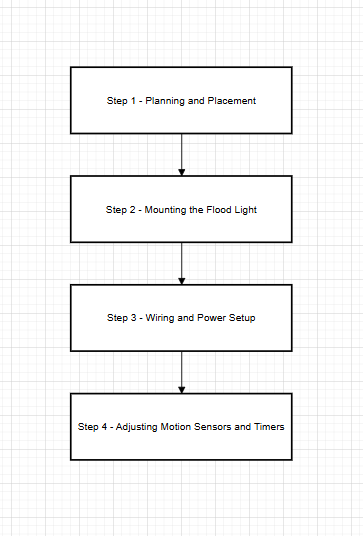
Step 1 – Planning and Placement
The first step in installing a flood light is planning where to place it. Consider the following:
Entry Points: Install flood lights near doors, gates, and windows to illuminate key access points and deter intruders. Well-lit entryways increase safety by ensuring visibility.
Walkways and Paths: Ensure safety by illuminating walkways, stairs, and driveways. Proper lighting will prevent accidents and help people move around your property with ease.
Dark Corners: Identify any areas of your property that are particularly dark and could be hiding places for intruders. Flood lights in these areas can help reduce security risks.
Place flood lights at the corners or edges of your property to maximize coverage and ensure no dark spots are left unlit. This will help you achieve uniform illumination across your outdoor space, which is important for both security and aesthetic appeal.
Step 2 – Mounting the Flood Light
Proper mounting is essential to achieving optimal light coverage and minimizing glare. Here’s how to mount flood lights effectively:
Height: Install flood lights around 10 feet above the ground to cover a wide area while minimizing glare. Mounting the lights at the right height ensures that the light spreads evenly across the intended area.
Angle: Position the light at a 22-degree angle to direct the light downward. This ensures broad and even coverage without spilling over into unwanted areas, such as neighbors' properties.
Stability: Secure the light with sturdy mounts to avoid accidental dislodging or tampering. Use high-quality mounting hardware to ensure the light remains stable, even in windy or rainy conditions.
Adjustable mounts are highly recommended because they allow for flexibility after installation. You can fine-tune the light angle to ensure optimal coverage for your specific needs.
Step 3 – Wiring and Power Setup
Proper wiring is essential for both safety and long-term performance:
Electrical Boxes: Use outdoor-rated, weatherproof electrical boxes to house the connections. Ensure that the box is securely installed and protected from water and debris.
Conduits: Protect wiring with outdoor-rated conduits to prevent damage from the elements, such as rain or extreme temperatures.
Weatherproofing: Seal all electrical connections with silicone caulk to prevent moisture ingress. This will help protect the wiring and ensure the flood light operates efficiently in all weather conditions.
If you are not familiar with electrical work, it’s highly recommended to hire a licensed electrician to ensure proper and safe installation. This will prevent potential hazards and ensure compliance with local electrical codes.
Step 4 – Adjusting Motion Sensors and Timers
For added security and energy efficiency, adjust the following:
Motion Sensors: Position sensors at strategic locations (e.g., entrances, driveways) where they can detect movement. Adjust the sensitivity to avoid false triggers caused by animals or passing vehicles.
Timers: Set up timers to control when the flood lights turn on and off. This is particularly useful for simulating occupancy when you’re not at home, providing an added layer of security.
Motion-activated flood lights are ideal for deterring intruders while saving energy. Adjusting the sensitivity ensures the light activates only when necessary, improving security and conserving energy.
Troubleshooting Common Flood Light Installation Issues
Dealing with Poor Light Coverage
If the flood light isn’t illuminating the area evenly:
Adjust Height and Angle: Ensure the flood light is mounted at the correct height and angle for optimal coverage across the area.
Multiple Lights: For larger spaces, consider using multiple flood lights to overlap their coverage and eliminate dark spots. Proper placement ensures that all areas receive adequate illumination.
Preventing False Triggers with Motion Sensors
Motion sensors are excellent for security but can cause false alarms:
Placement: Ensure that sensors are not obstructed by trees, bushes, or other objects that may block the sensor’s field of view.
Sensitivity: Adjust the sensitivity of the sensor to avoid activation by small animals, passing cars, or environmental factors.
Position motion sensors away from windows to avoid triggering false alarms caused by reflections or changing light conditions. This helps ensure that only the intended movements trigger the flood lights.
Managing Wiring and Weatherproofing Problems
Ensure the wiring remains intact and protected:
Check Seals: Regularly inspect the seals around electrical connections and mounts to prevent moisture ingress.
Inspect for Wear and Tear: Over time, wiring can deteriorate due to outdoor conditions. Regular maintenance will help keep your flood lights functioning properly for longer periods.
Conclusion
Installing flood lights correctly is essential for maximizing both security and aesthetics. By carefully planning placement and choosing the right type of flood light, you can create a safe and visually appealing outdoor environment. Addressing common installation issues ensures optimal performance. Proper installation enhances your property’s safety while contributing to its overall look.Always prioritize security when installing flood lights, but balance it with aesthetic considerations to create a welcoming space. Well-placed flood lights will transform your property into a safer and more attractive area.
OAK LED CO. Limited offers high-quality lighting solutions that combine energy efficiency and durability. Their products provide exceptional value, ensuring long-lasting performance while enhancing both the security and aesthetics of your outdoor space.
FAQ
Q: What is a flood light and why is it important for outdoor spaces?
A: A flood light is a broad-beamed, high-intensity light designed to illuminate large areas. It enhances security by illuminating dark spots and improves outdoor aesthetics.
Q: How do I install a flood light properly?
A: Begin by planning placement near entry points and walkways. Mount at a height of around 10 feet, adjust the angle for even coverage, and ensure proper wiring for safety.
Q: Can I use solar-powered flood lights for security purposes?
A: Yes, solar-powered flood lights are great for security and energy savings. They charge during the day and automatically light up at night, making them ideal for remote areas.
Q: What factors should I consider when choosing a flood light?
A: Consider the flood light's wattage, color temperature, and durability. LED flood lights are energy-efficient and provide bright illumination, making them ideal for outdoor security.
Q: Why is proper flood light placement important?
A: Proper placement ensures maximum coverage, reduces glare, and enhances both security and the aesthetic appeal of your property.